Introduction: Why Protein Matters
Protein is an essential nutrient that plays a crucial role in the body. Most people know that it’s important for building muscle, but it is needed for much, much more than that.
You need protein for repairing tissues, for producing enzymes and hormones, for transporting key nutrients around the body and for maintaining your body’s fluid balance. In fact, it is vital for supporting overall health. It is a key component of every cell in your body, contributing to healthy skin, hair, and muscles and so much more.
From a nutritional perspective, protein is also key for the following:
Weight Management: Protein helps increase satiety, reducing hunger pangs and hopefully preventing you overeating. It also boosts metabolism, which can help with weight management. Therefore, try and incorporate protein into every meal.
Blood Sugar Regulation: It might seem counterintuitive, but eating protein-rich foods can help stabilise your blood sugar levels by preventing energy crashes. If you have cravings or energy slumps, try eating more protein and monitor to see if this improves.
How much protein do you need?
In the UK, the recommended daily intake of protein is 0.75g per kilogram of body weight. I think this should be seen as a minimum amount you should be aiming for.
I prefer to aim for about 1g of protein per kilo of bodyweight, and if you are very active even more that (up to 1.5g of protein per kilo of bodyweight).
Everyone is different, however, 1g is a good goal. It’s also very easy to remember. So if you weigh 70 kilos, you’ll need at least 70g of protein per day.
The Importance of plant protein versus animal protein
While protein can be sourced from both animal and plant-based foods, I would urge you to try and incorporate some plant proteins into your meals. Some of the main reasons to do this are:
- Fat & cholesterol: Plant-based proteins are typically lower in saturated fat and cholesterol compared to animal products.
- Fibre: Plant protein is higher in fibre than its meat counterparts. For example, 100g beef contains no fibre at all, whereas 100g of black beans contains about 8g fibre. Remember you should be aiming for about 30g fibre per day. Fibre is great for gut health, for weight management and for blood sugar balance.
- Antioxidants: Plant proteins often contain antioxidants, which animal proteins lack. Antioxidants, such as vitamins A, C and E, help protect cells from damage and can reduce the risk of chronic disease.
- Ethical and environmental factors: I want to primarily focus on the nutritional aspects of eating plants. However, I can’t write about the benefits without mentioning the ethical considerations and environmental impact of choosing animal protein. Do your own research here and make judgements according to your own beliefs.
Are plant proteins complete proteins?
Unlike animal protein, not every plant will give you all 9 essential amino acids. Some plant-based foods are complete proteins (i.e. they contain all 9), but many are not. You have to eat a combination of them to ensure you are getting all 9.
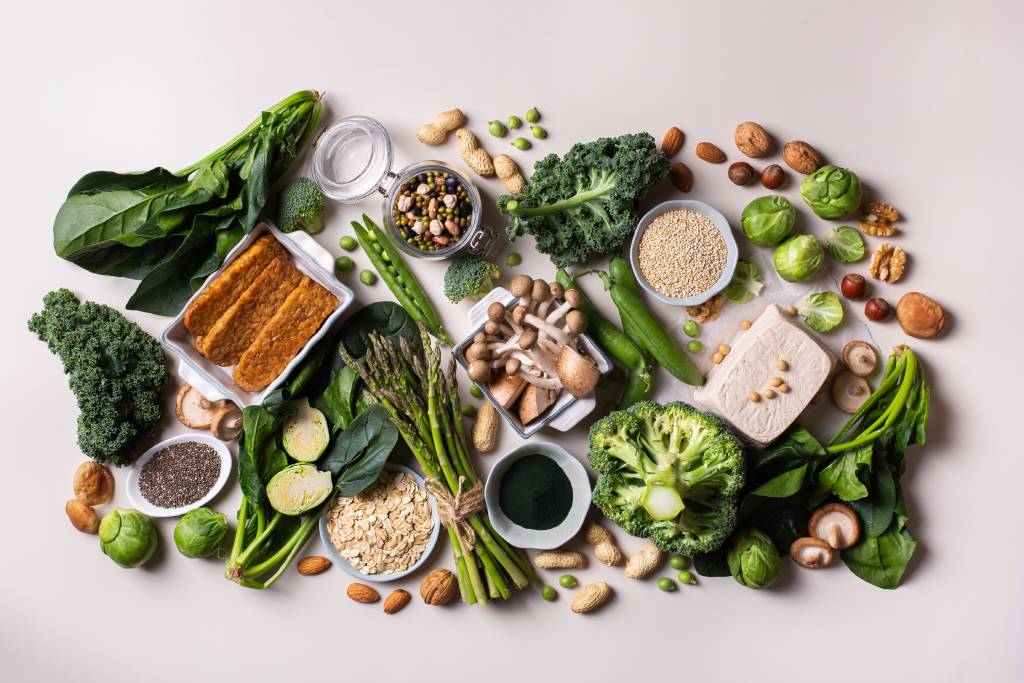
Some of the plants that are complete protein include quinoa, buckwheat, pumpkin seeds, chia seeds, hemp seeds, tofu and tempeh.
To ensure you are eating all 9 essential amino acids, you can combine different plant proteins. For example:
- Rice and beans
- Legumes and nuts/seeds
- Quinoa and lentils
Beans are low in the amino acid methionine (higher in rice), while rice is low in lysine (higher in beans) so they complement each other well.
However, you don’t have to eat them all in the same meal – just make sure you’re getting a range of different plant protein sources throughout the day, and you will be fine.
Examples of High-Quality Plant Proteins
Here are some of my favourite plant-based protein sources, along with their approximate protein content per 100g:
1. Lentils (7.5g per 100g, cooked): Lentils are versatile and rich in protein, fibre, and iron. They are an easy add-in to soups, stews, and salads. Try out this lentil dahl recipe.
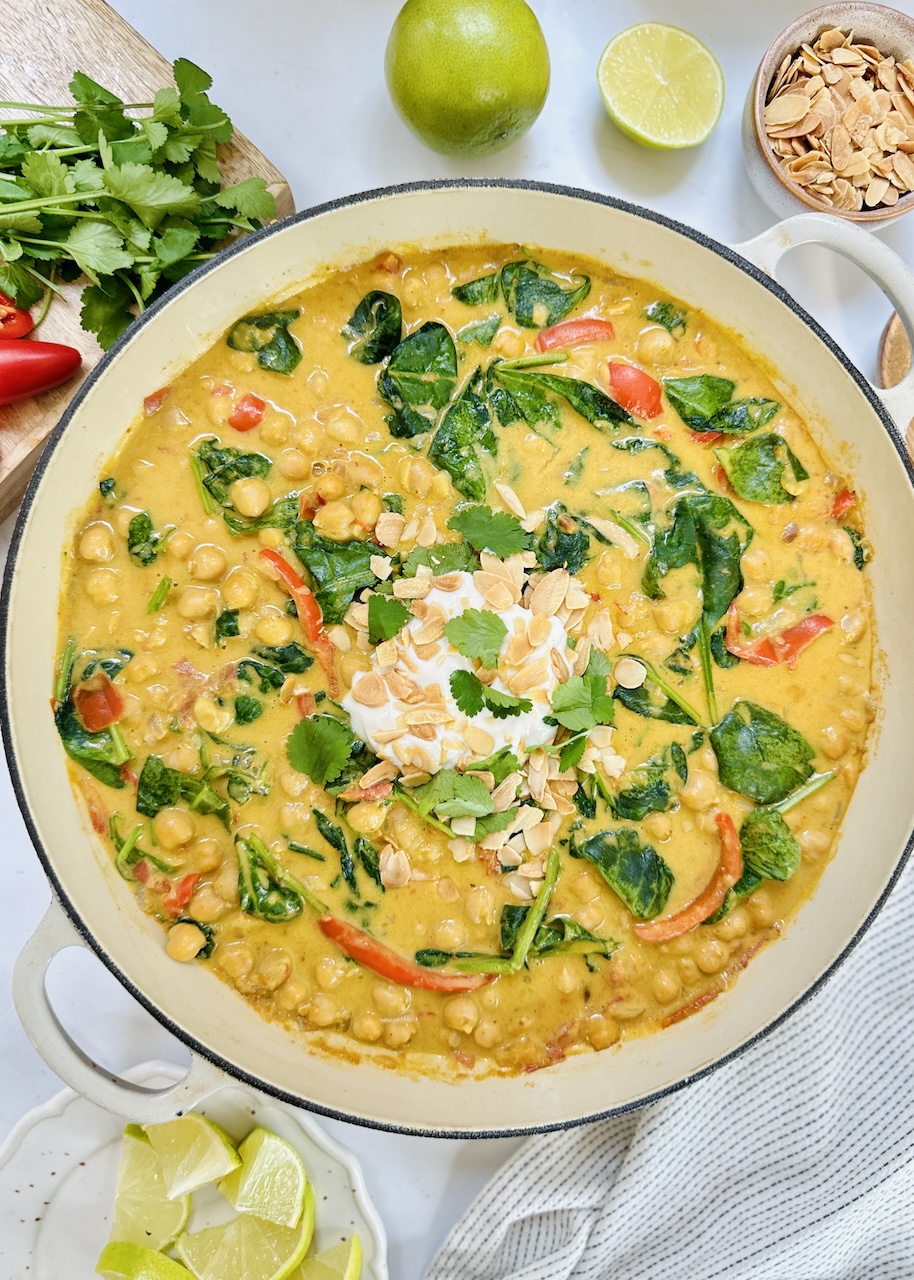
2. Chickpeas (7g per 100g, cooked): Chickpeas can be used to make hummus, added to curries or stews, or roasted as a snack. Check out my peanut butter and chickpea curry.
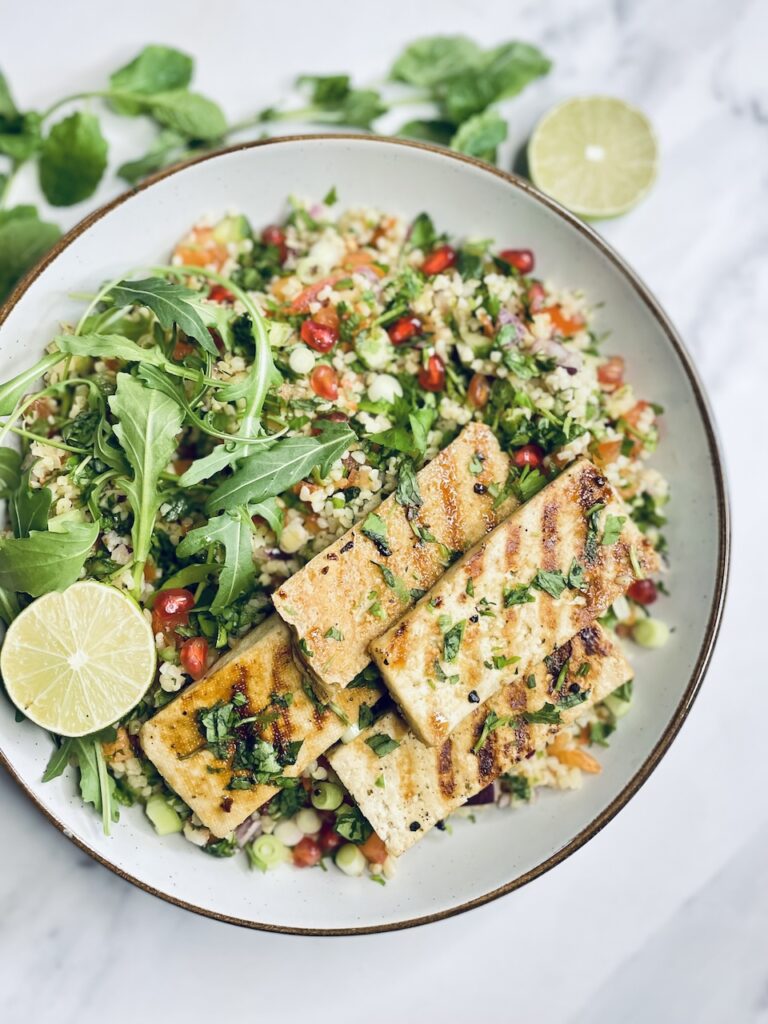
3. Tofu (13g per 100g): Made from soybeans, tofu is a complete protein that absorbs flavours well. It can be grilled, stir-fried, or added to smoothies. I love it in a simple noodle bowl like this.
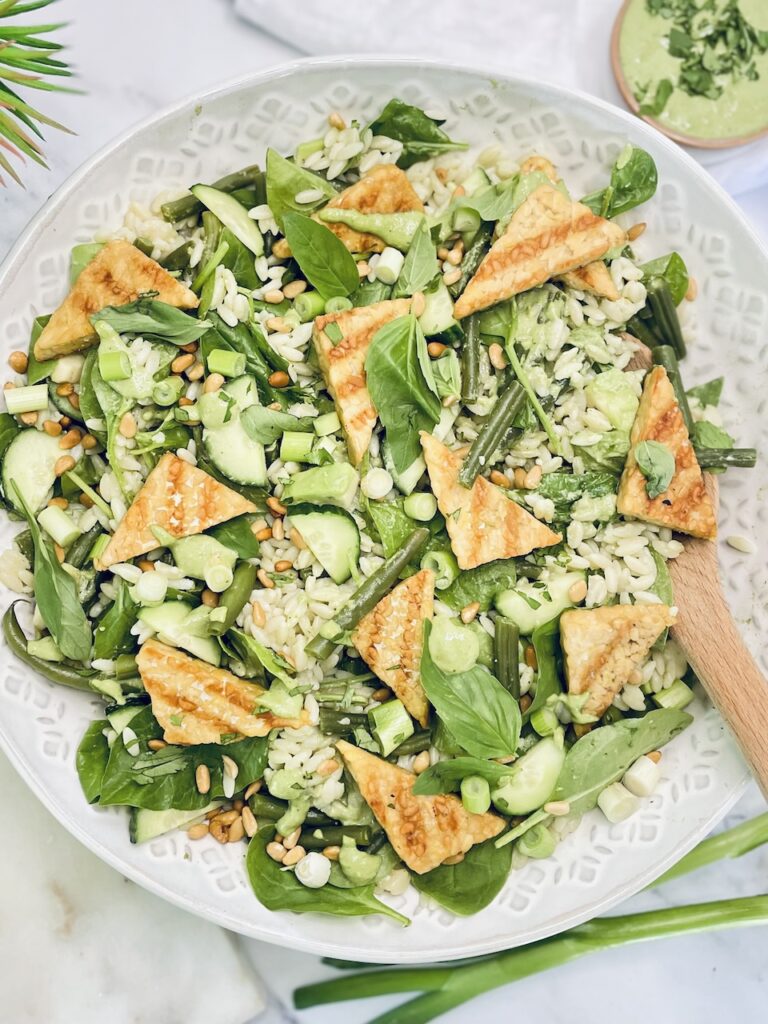
4. Tempeh (20g per 100g): Another soy-based product, tempeh is fermented, making it easier to digest (and better for your gut!). It has a firmer texture and can be sliced or grated into dishes. I like it pan-fried and added to easy salad bowls.
5. Quinoa (4.5g per 100g, cooked): Quinoa is a gluten-free grain and a complete protein. It works well as a base for salads or as a side dish.
6. Black Beans (6g per 100g, cooked): Black beans are a staple in my cooking and work well in stews,burgers, soups, and salads.
7. Edamame (8g per 100g, cooked): These beans are a great addition to stir-fries and salads. Try them in this easy noodle salad.
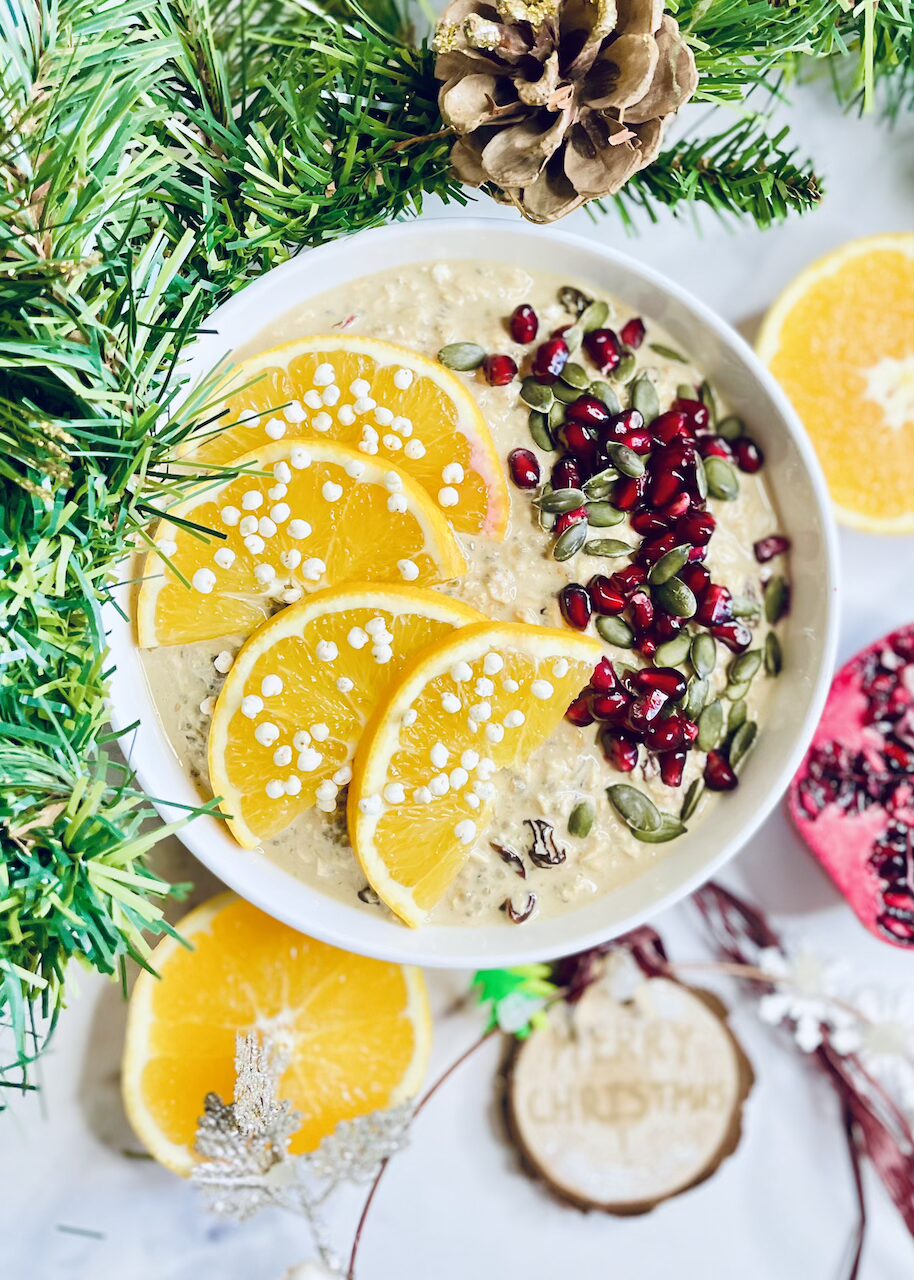
8. Nuts and Seeds (5-25g per 100g): Almonds (21g), chia seeds (17g), and sunflower seeds (21g) are excellent sources of protein, healthy fats, and micronutrients. They can be added to porridge, yoghurt, or sprinkled on salads. Try this spiced chia pudding.
9. Peas (8.5 per 100g, cooked): Green peas are not only a good source of protein but also rich in vitamins and antioxidants. They can be blended into soups or added to pastas.
Tips for Incorporating More Plant Protein
1. Start Small: Gradually replace animal proteins with plant-based options in your meals. For instance, swap beef mince for lentils and/or ground walnuts in a Bolognese sauce. Or even start by swapping half.
2. Use Protein Powders: Plant-based protein powders made from pea, hemp, or brown rice protein can boost your intake when added to smoothies or your own protein bars.
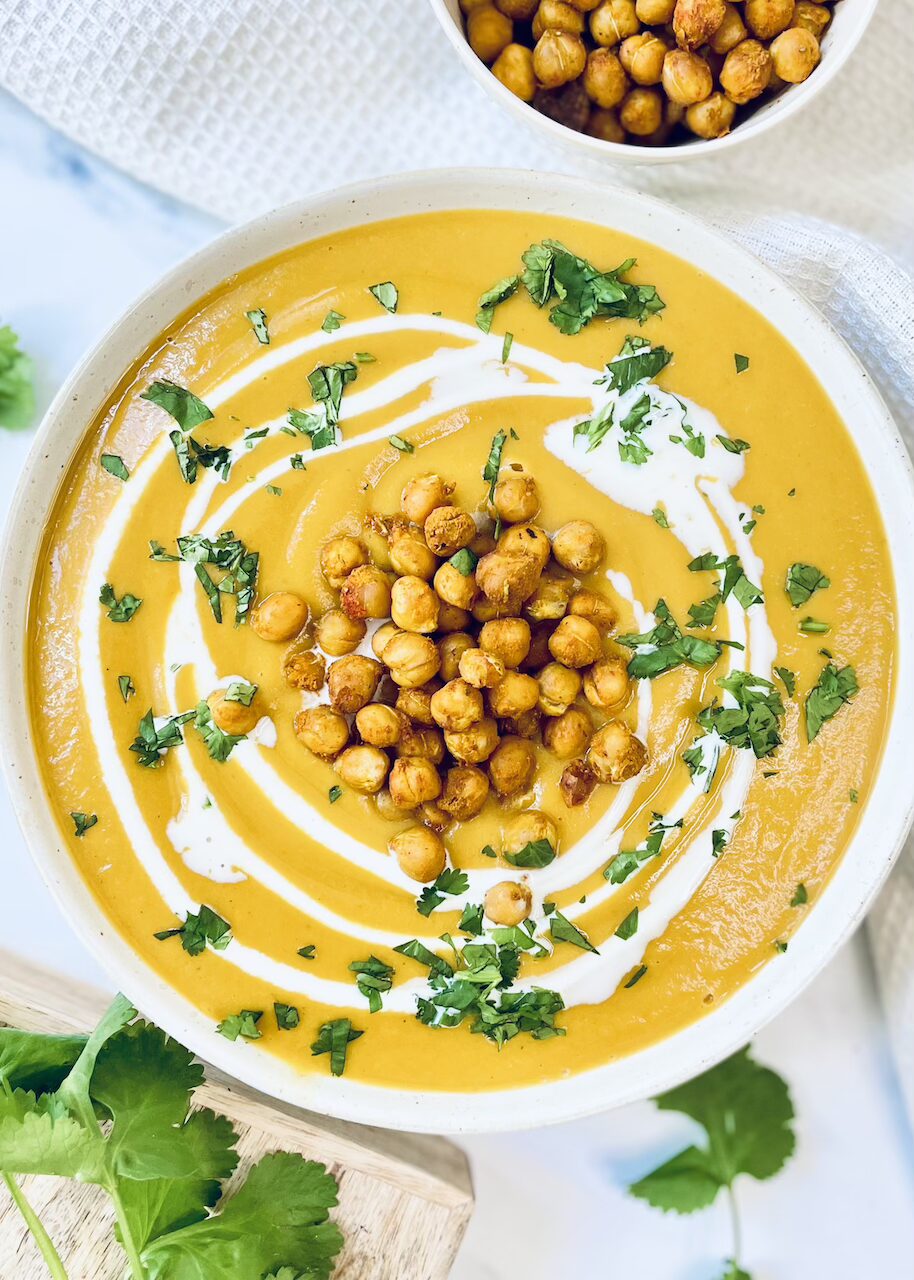
3. Snack Smart: Opt for protein-rich snacks such as roasted chickpeas, a handful of nuts and seeds, or energy balls made with dates and nuts. Try this recipe for energy balls.
4. Try logging your food: Remember, there is protein in lots of vegetables and grains too! It will all add up! Try logging all your food for one day and see your protein totals.
My Fitness Pal or Chronometer are good resources for this.
I hope you found this useful, as always, if you have any questions, just let me know!
Please note: the information on this website is provided for general information only, it should not be treated as a substitute for the medical advice. If you have any specific health concerns, you should contact your own health care provider or doctor.


0 Comments